







Search Results for: Coffee Harvest Season
An Analysis of Colombia's Coffee Growing Regions and Harvest Seasons: A Comprehensive Introduction to Varieties, Flavors, and Processing Methods
Colombia is the world's third-largest coffee exporter and the largest exporter of Arabica beans and washed beans, hailed as "green gold." This article systematically reviews Colombia's coffee-growing regions, harvest season patterns, main varieties and processing methods, and introduces representative regions one by one, including Santander, Antioquia, Tolima, Huila, Cauca, and Nariño. Colombian coffee is known for its silky, balanced taste, with family-run operations and volcanic soil giving it a unique quality. The article also covers the functions of the FNC and CENICAFE, green bean grading standards, and competition mechanisms such as the Cup of Excellence in Cauca, making it suitable for coffee enthusiasts to gain a comprehensive understanding of Colombian coffee's terroir and the industry as a whole. [more…]
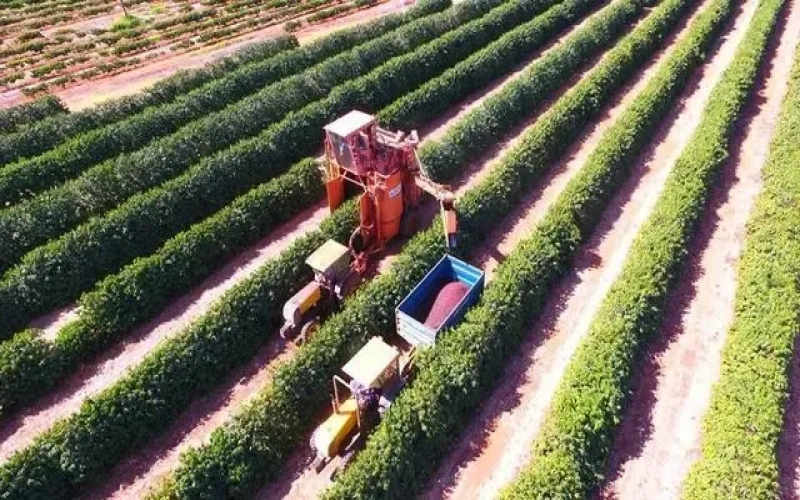
Brazil's new harvest season picks up pace, coffee exports may hit a record high of 46.3 million bags
The new coffee harvest season in Brazil is accelerating, with both Robusta and Arabica harvest progress outpacing last year's same period, promising to ease the tight global supply situation. Influenced by factors such as reduced production in Vietnam and the Red Sea crisis driving up logistics costs, market demand for Brazilian coffee has surged, and Cecafé expects exports for the 2023/24 season to reach 46.3 million bags, setting a new historical record. Meanwhile, frost warnings are prompting coffee farmers to rush their harvest, and multiple countries are also accelerating shipments before the EU's deforestation regulation takes effect. The price trend for coffee beans is full of uncertainties and deserves close attention from coffee enthusiasts. [more…]
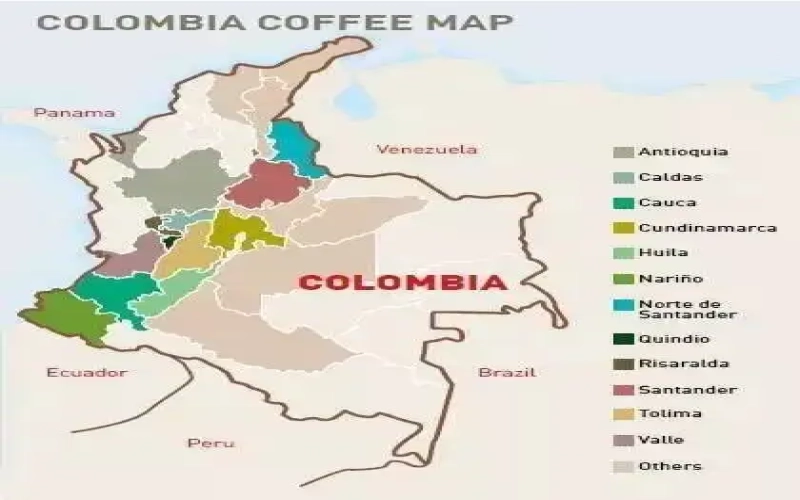
A Complete Guide to Colombian Specialty Coffee Regions: Harvest Seasons, Flavor Profiles, Varieties, and Processing Methods
Colombia is the world's third-largest coffee exporter and the largest exporter of Arabica beans and washed beans. This article systematically reviews the core knowledge of Colombian specialty coffee: starting from the terroir conditions of the three major producing regions in the Andes Mountains, it explains in detail the differences between the northern and southern harvest seasons and the harvest time windows, introduces major varieties such as Caturra, Bourbon, and Castillo as well as the history of disease-resistant breeding, analyzes the unique characteristics of household washed processing, and examines one by one the flavor characteristics of well-known producing regions such as Santander, Huila, Cauca, and Nariño. The article also includes the producing region information and brewing flavors of several Colombian beans from Front Street Coffee, providing coffee enthusiasts with a complete framework for understanding Colombian coffee. [more…]

Dengue fever outbreak intensifies in the Americas, coffee harvest season may face labor shortages
As global temperatures rise and extreme weather becomes more frequent, the Americas are experiencing an unusually severe dengue fever season this year. According to the Pan American Health Organization (PAHO), the number of reported cases in the first three months of this year was already three times that of the same period last year, with more than a thousand deaths, and the outbreaks in Brazil, Paraguay, and Argentina being particularly severe. The continuously spreading outbreak has not only overcrowded hospitals in many places but also brought a thorny temporary labor shortage to coffee and other plantation industries. As Brazil and Guatemala approach the eve of the new season's coffee berry harvest, growers are worried that harvest workers will be hard to find and that the harvest may be affected. This article will review the latest outbreak data, the reasons for its intensification, and its potential impact on the coffee industry, along with related observations from Front Street Coffee. [more…]
Exploring 90+ Specialty Coffee: A Multifaceted Flavor Analysis of Panama Geisha and Ethiopian Heirloom Varieties
Ninety Plus is a highly esteemed brand in the specialty coffee world, renowned for its coffee beans from the Panama Geisha estate and multiple regions in Ethiopia, celebrated for their unique processing methods and richly layered flavors. This article will analyze one by one more than ten Ninety Plus coffee beans recommended by Front Street Coffee, including Juliette, Lotus Solstice, the Horizon series, Ginseng, Clinique, the Nectar series, and more, covering honey processing, natural processing, and patented Solkiln, Red processing, Ruby processing, and other techniques. From origin, harvest season, variety, Level, altitude to processing method and flavor description, it fully presents the individual characteristics of each bean, guiding you to appreciate the splendid expression of Geisha and Ethiopian heirloom varieties in terms of cleanliness, sweetness, fruity aroma, and vinous notes. [more…]
Flavor Analysis of Colombia's Four Major Specialty Coffee Regions: From Andean Volcanic Soil to Balanced Sweetness in the Cup
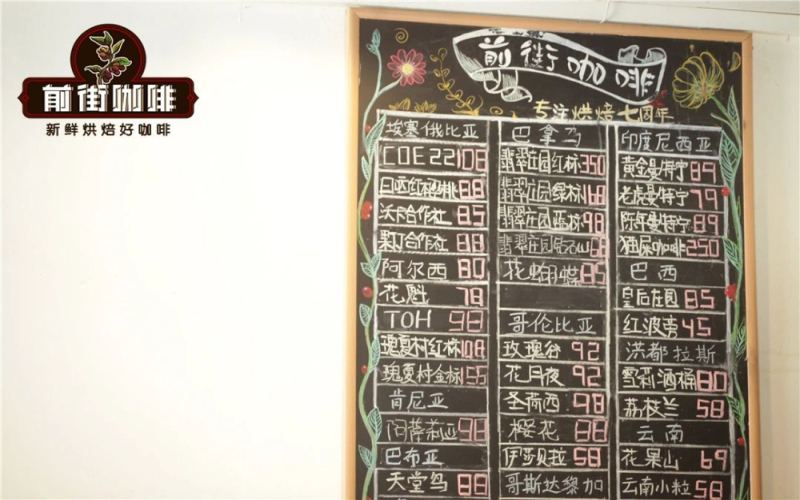
Colombia is the world's largest exporter of Arabica coffee and the country with the highest export volume of washed beans. Its coffee is renowned as "green gold" for its balanced, smooth taste and consistent quality. The Andes run through the entire country, and volcanic soil, high altitude, and family-run farming together shape the distinctive character of Colombian coffee. This article will break down the flavor characteristics of coffee from each region one by one, from the history of the producing areas, cultivated varieties, and processing methods to the harvest season and the four major specialty regions—Santander, Antioquia, Tolima, Huila, Cauca, and Narino—and will also include Front Street Coffee's brewing parameters and product recommendations to help you fully understand the charm of Colombian specialty coffee. [more…]
A Complete Guide to the Ninety Plus Specialty Coffee Bean Series: Flavor Exploration of Geisha and Ethiopian Heirloom Varieties and Future Trends
As a benchmark brand in the specialty coffee world, Ninety Plus is renowned for its rigorous Level grading system and innovative processing methods. This article systematically reviews the full lineup of Ninety Plus beans recommended by Front Street Coffee, covering Juliet, Lotus Solkiln, Prospect, Red Prospect, Prospect Ruby, and Silvia Solkiln from the Panama Geisha estate, as well as Ginseng, Clinique, Nectar, Red Nectar, and Nectar Ruby from the Ethiopian production region. From honey processing and natural processing to the patented Solkiln dense processing, red processing, and ruby processing, each one displays a unique flavor layering. The article fully preserves the origin, harvest season, variety, Level, altitude, processing method, and flavor description of each bean, providing coffee enthusiasts with a detailed tasting guide and, from this, looking ahead to the future direction of specialty coffee. [more…]

Why Is Colombian Coffee Praised as Green Gold? A Full Analysis of Huila Region Flavors and Brewing
As the world's second-largest coffee producer and the largest exporter of washed Arabica beans, Colombia is renowned for its silky, balanced coffee, praised as "green gold." From the volcanic soils of the Andes to meticulous family farming, from the evolution of varieties like Caturra and Castillo to its distinctive washed processing, the allure of Colombian coffee goes far beyond this. This article will take an in-depth look at the flavor characteristics of specialty regions such as Huila, Colombia, sort out the distribution of producing regions, variety iteration, and processing details, and include Front Street Coffee's brewing suggestions along with several Colombian bean recommendations, giving you a comprehensive understanding of the charm of this South American coffee kingdom. [more…]
Why is Colombian coffee regarded as a top choice? A full analysis of origin terroir, varieties, processing, and brewing
As the world's third-largest coffee exporter, Colombia—blessed with exceptional volcanic soil and a family-farming tradition—produces a balanced, smooth, and highly acclaimed Arabica coffee. From Huila in the south to Santander in the north, and from varieties such as Caturra, Castillo, and Geisha, different regions and processing methods interweave rich layers of berry, nut, caramel, and floral notes. Front Street Coffee will guide you through an in-depth look at Colombia's coffee-growing regions, harvest seasons, variety evolution, and brewing suggestions, and recommend a selection of representative beans to help you fully grasp the unique charm of this South American coffee kingdom. [more…]
Honduran Migration Wave Hits Coffee Industry: Labor Shortage Crisis During Harvest Season, Exports to China Emerge as New Opportunity
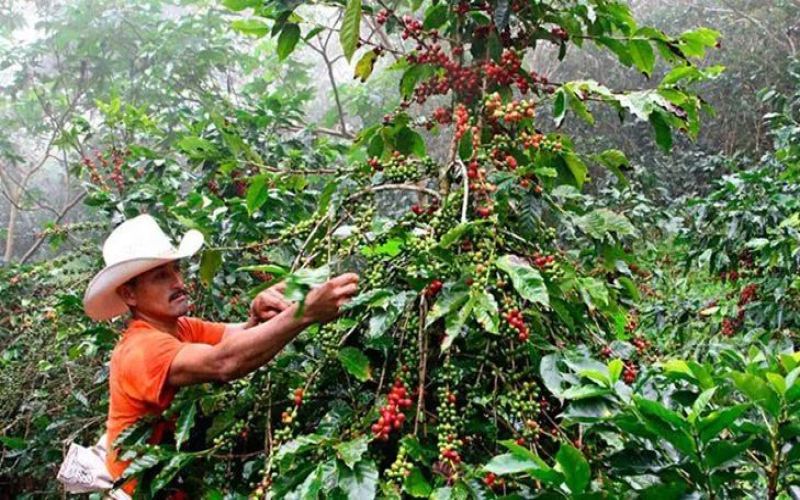
Honduras is currently experiencing a severe socio-economic crisis. Corruption, institutional collapse, the impact of the pandemic, and hurricane disasters have compounded, pushing poverty rates to extreme levels, causing widespread closures in the export processing industry and the loss of over 100,000 jobs, with many of the unemployed choosing to emigrate abroad. This wave of emigration directly affects the coffee growing industry—as the harvest season approaches, there is a severe shortage of skilled pickers, and the prospects for the harvest are worrisome. At the same time, Honduran organic coffee beans have been successfully exported to China, with 12 companies authorized to trade with China, bringing a glimmer of hope for economic recovery. This article will outline the root causes of the crisis, its impact on the industry, and the latest trade developments. [more…]
A Complete Analysis of the Flavor Characteristics and Harvest Season of Yunnan Small-Bean Coffee: From Ripening Cycle to Estate Prospects
Yunnan coffee is standing at a point of dual growth in both production and market, and Hu Lu, vice president of the provincial coffee industry association, remains optimistic about its prospects. This article will sort through the harvesting season, fruit structure, and peaberry characteristics of Yunnan small-bean coffee, as well as the regional differences in coffee ripening periods around the world, while also presenting the latest developments in Yunnan's coffee industry in terms of planting area and consumer market potential. For enthusiasts who follow Yunnan coffee flavors and origin stories, this information helps to provide a more comprehensive understanding of the journey of the coffee in the cup from branch to bean. [more…]

Why Do Dark Roasts Still Taste Sour? How Is a Harvest Season Defined? A Detailed Explanation of the Resting Period and the Peak Flavor Window
Many friends who are just getting into pour-over coffee often encounter a widely circulated claim: under the same brewing parameters, dark-roasted beans yield more caffeine than light-roasted beans. As a result, many people naturally assume that the darker the roast, the higher the caffeine content. At the same time, what exactly a coffee harvest season refers to, whether a new harvest season equals coffee picked in the current year, and how to understand the resting period and the optimal drinking window are also questions that come up frequently in everyday conversation. This article addresses these common confusions one by one to help coffee lovers clarify the concepts, and includes related product recommendations from Front Street Coffee for everyday purchasing and brewing reference. [more…]
Darjeeling vs. Assam Black Tea Comparison: An Analysis of Harvest Season Differences and Liquor Flavor Characteristics
Tea has long been woven into people's daily way of life. India, as a major tea-producing country globally, produces a variety of categories and blends such as oolong tea, black tea, green tea, and masala chai. Tea is often named after its place of origin, and Darjeeling and Assam are two widely popular and famous tea regions. The two are geographically adjacent, yet due to differences in cultivation methods, climate conditions, and altitude, they give rise to teas of strikingly different styles. This article will systematically sort out the differences between Darjeeling black tea and Assam black tea from dimensions such as geographical location, taste, color, leaf appearance, and picking season, helping tea lovers make a more suitable choice based on their personal taste preferences and drinking habits. Front Street Coffee will also provide purchasing references for enthusiasts in this article. [more…]
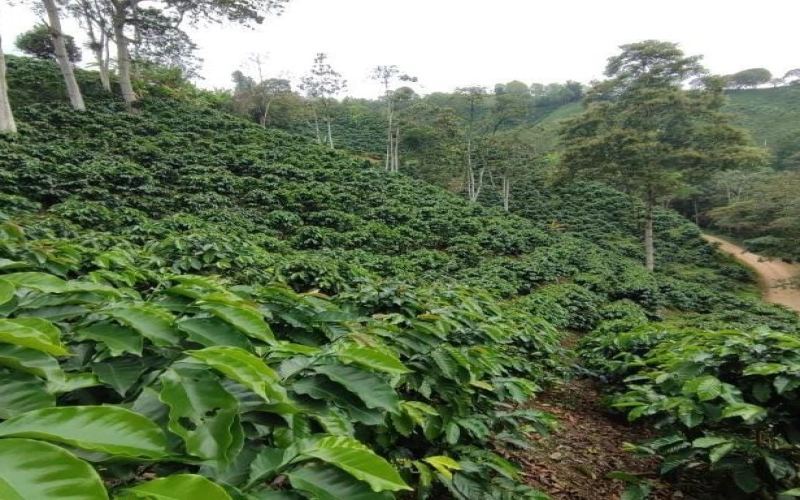
The History of Coffee Cultivation in Colombia and the Origins of the Geisha Variety: From Producing Regions to the Flavor Evolution of Hacienda La Esmeralda
Colombia is the world's second-largest coffee producer, and its coffee-growing history dates back to the Spanish colonial period in the sixteenth century. Today it has developed a dual structure of commercial Arabica in the north and specialty production areas in the south. Starting from Colombia's topography and microclimates, this article outlines its production regions, harvest seasons, and green bean grading system, and then takes an in-depth look at the legendary Geisha variety's wandering journey—from being discovered in an Ethiopian village, through Kenya and Costa Rica, to finally shining brightly at Hacienda La Esmeralda in Panama. Through cupping, Front Street Coffee has recorded Geisha coffee's full-bodied blackcurrant juice character, rich berry aroma, and red wine finish, giving you a comprehensive understanding of the terroir and stories behind this "green gold." [more…]
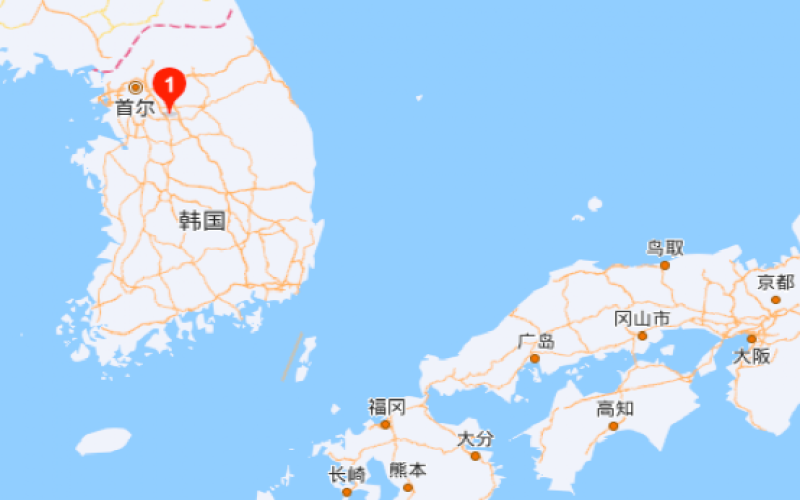
Korean Icheon coffee farm successfully cultivates Arabica Bourbon variety, marking the official start of the local coffee bean harvest season
Coffee cultivation has traditionally been concentrated in the golden belt between the Tropic of Cancer and the Tropic of Capricorn, but this pattern is now being continually challenged. A coffee experience farm in Icheon, South Korea, has successfully grown Arabica coffee beans and welcomed its harvest season, pushing the latitude of human coffee cultivation to a new high. The farm covers a total area of 2,000 pyeong, of which 800 pyeong are planted with about 2,000 coffee trees, including Yellow Bourbon and Red Bourbon varieties. To overcome the limitations of a climate with four distinct seasons, the farm uses facilities such as plastic greenhouses and shade cloth to keep the indoor temperature at around 15 degrees Celsius year-round. This coffee plantation is expected to harvest 5 to 7 tons of coffee cherries, ultimately producing 500 to 700 kilograms of green beans. As South Korea's coffee import value and number of coffee shops both hit new highs, whether locally grown coffee beans can become a new market favorite is worth continued attention. [more…]
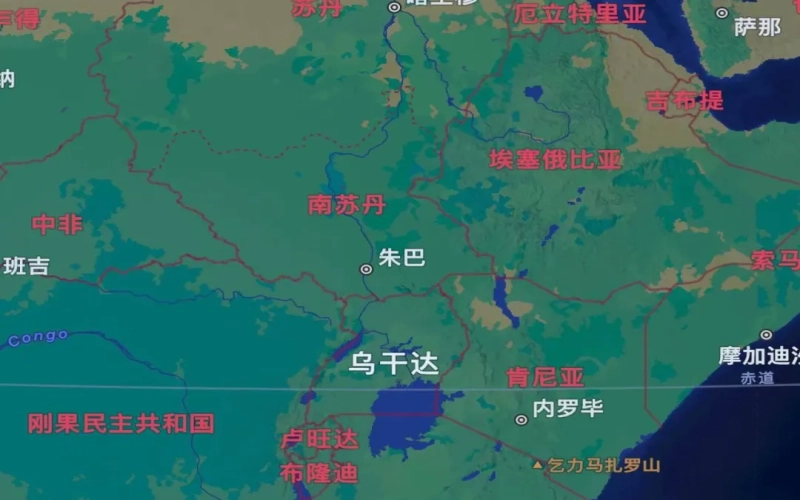
A Panoramic View of Uganda's Coffee Regions: A Variety and Terroir Analysis from Robusta to Arabica
When it comes to African coffee, many people first think of Ethiopia, but Uganda on the East African plateau is equally not to be overlooked. This country straddling the equator started with Robusta, and in recent years Arabica has also been flourishing. Most of Uganda lies on the East African plateau, with numerous lakes, moderate altitudes, volcanic soil, and distinct rainy seasons, providing superior conditions for coffee cultivation. The country's producing regions are roughly divided into three major areas: Bugisu, West Nile, and the Rwenzori Mountains, each with its own characteristics in altitude, harvest season, and varieties. Wugar (washed Arabica) and Drugar (natural Arabica) are locally unique terms. This article will take you through Uganda's national flag symbolism, geography and climate, as well as the varieties grown and harvest rhythms of its three major producing regions. [more…]
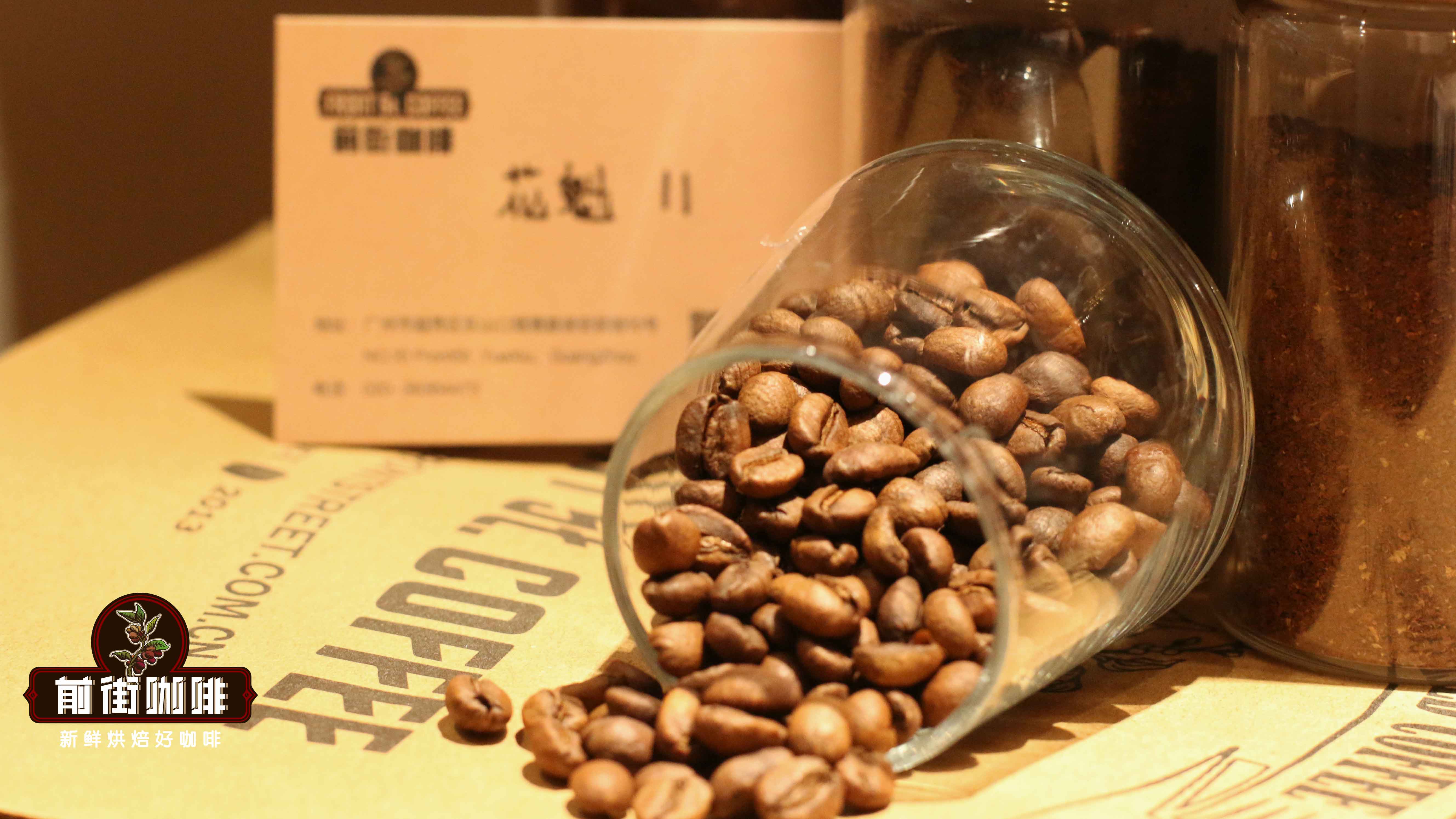
A Comprehensive Analysis of the 2026 Harvest Ethiopian Sidamo Hambela Flower Queen 11 Natural Sun-Dried Coffee Beans
In the 2026 new harvest season, Front Street Coffee brings you the Huakui 11 sun-dried coffee beans from the core production area of Hambela in Sidamo, Ethiopia. This micro-lot comes from the Goro baessa spring water treatment station at an altitude of 2,280 meters, using only fully red cherries, which are sun-dried only when the sugar content is above 21, and undergo 21 days of low-temperature fermentation, presenting rich floral aromas, red wine, and tropical fruits, with high sweetness and a bright, juicy mouthfeel. This article provides a detailed introduction to the origin of the name Huakui, the processing technique, green bean characteristics, and pour-over parameters, giving you a comprehensive understanding of this champion-level sun-dried coffee. [more…]
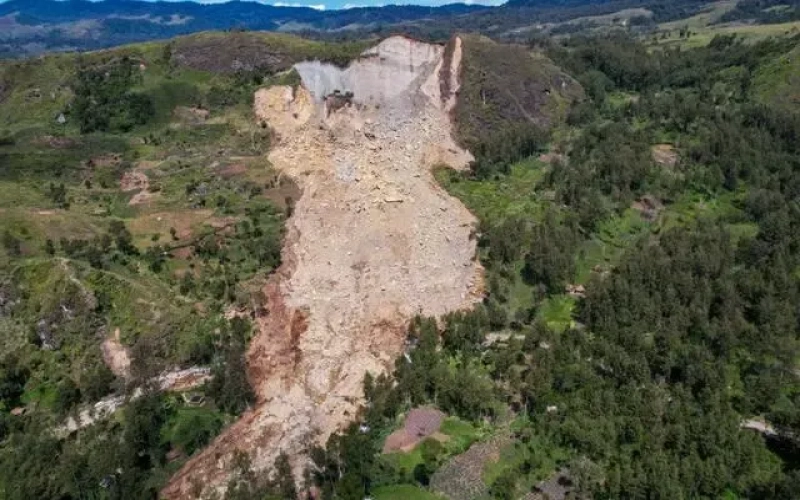
A massive landslide in Enga Province, Papua New Guinea, has buried more than two thousand people, dealing a severe blow to the coffee harvest season.
Recently, the Oceanian nation of Papua New Guinea has been hit by a series of severe natural disasters. A massive landslide occurred in the early hours of the 24th in the Mulitaka area of Enga Province in the north, burying more than 2,000 people, with the death toll now exceeding 670. Months of heavy rainfall that loosened the soil was the main cause of the disaster. The disaster area, Mount Enga, is adjacent to the Western Highlands Province, Papua New Guinea's core coffee-producing region, where coffee is mostly grown in the Waghi Valley. As the coffee harvest season is currently underway, emergency evacuations have left the coffee cherries unpicked, and production is certain to be affected. At least 15 landslides had already occurred in the country previously, and the coffee-producing region of Chimbu Province in the central region was also affected. Several countries have dispatched rescue teams to assist with search and rescue efforts. [more…]

Massive demonstrations by Indonesian workers hit the coffee industry, with the harvest season facing shutdowns and supply chain disruptions
Indonesia recently erupted in large-scale worker demonstrations, with thousands of workers gathering in Jakarta to demand that the new government raise the minimum wage and abolish the Job Creation Law. The protests are expected to spread to 38 provinces and last until October 31. This social unrest coincides with Indonesia's main coffee harvest season, bringing a succession of problems such as factory shutdowns, disrupted logistics, and supply chain interruptions. Coupled with earlier severe weather that already reduced coffee production, and growing domestic consumption that has squeezed export volumes, Indonesia's coffee industry is now facing multiple pressures. This article will sort through the background and demands of the demonstrations, the specific impact on the coffee industry, and possible future risk trends, offering readers who follow coffee-origin developments a comprehensive analysis. [more…]

Analysis of the Differences Between Huakui 9.0, 8.0, and the New Harvest Hambela Huakui: A Full Overview of Ethiopian Heirloom Variety Flavor Characteristics
As the birthplace of coffee, Ethiopia's native Heirloom varieties always showcase unique styles across different regions. Front Street Coffee's Huakui is produced in the Hambela sub-region of the Guji zone, and has attracted much attention since winning the TOH championship in 2017. As the new harvest season arrives, Front Street Coffee's Huakui 9.0 has arrived as promised. This article will explore the differences between Huakui 9.0, Huakui 8.0, and the new-season Hambela Huakui, while also discussing what makes Ethiopian native varieties so special, and sharing Front Street Coffee's roasting and brewing suggestions for this new bean, giving you a comprehensive understanding of this coffee full of fruity flavors. [more…]